Trincomalee Holidays 2026: Prices, Sights, Guest Reviews
Beaches
Tours and Day Trips
Snorkeling
Trincomalee is the jewel of Sri Lanka's east coast, where the blue waters of the Indian Ocean meet golden beaches and green hills.
What you'll need in your first few days:



What to see in Trincomalee?
Key sights:
- Koneswaram Temple – sacred temple
- Fort Frederick – colonial fort
- Velgam Vihara – ancient monastery
- Pigeon Island – coral island
- Kanniya Hot Springs – thermal springs
- Lover's Leap – viewpoint
- Nilaveli Beach – white beach
🛕 Koneswaram Temple is one of the most important sacred sites in the Trincomalee area. This ancient Hindu temple sits on a cliff with ocean views, which make it especially striking. The spiritual atmosphere and centuries of history linked to Lord Shiva are felt strongly here. From the temple terraces you get panoramic views of the ocean and coastline, often named among the most beautiful on Sri Lanka.
🏰 Fort Frederick is a colonial fortress built by the Portuguese and later strengthened by the Dutch. The military still uses it, so part of the site is closed, but visitors can walk through the open areas. The fort is surrounded by nature, and you often spot deer and other local animals here. It gives a good feel for the colonial history of the island.
🏛️ Velgam Vihara is an ancient Buddhist monastery hidden in the jungle. It is an important archaeological site with a history going back a thousand years. You can see stupa ruins and stone structures overgrown with greenery. The atmosphere is very calm, ideal if you are looking for quiet and history.
🐦 Pigeon Island is a marine national park with stunning coral reefs. It is one of the best places for snorkeling and watching marine life in Trincomalee. The water is crystal clear, and you can see colorful fish and turtles underwater. The island can only be reached by boat, which adds to its appeal.
♨️ Kanniya Hot Springs is a unique natural site with seven thermal wells. The water is warm and considered mineral-rich, so locals come here as well as tourists. Each spring has a slightly different temperature, which makes the visit interesting. The site is linked to local legends and spiritual traditions.
🌄 Lover's Leap is a scenic viewpoint on a cliff with views of the ocean. A romantic legend gives the place its name. From here you see sweeping views of the Trincomalee coast and the open ocean. It is especially beautiful at sunset, when the sky turns warm shades.
🌊 Trincomalee Bay is one of the deepest and safest natural harbors in the world. It is known for calm water and rich marine life, including dolphins and whales. Boat tours and sea trips often depart from here. The bay shows both the natural beauty and the strategic importance of Trincomalee.
🌴 If you are planning a trip to Trincomalee and want to understand this remarkable corner of Sri Lanka better, plan your itinerary, budget and the best sights in advance, join our chat. Here we share practical tips, personal experiences and up-to-date information about travel along the coast. You will learn about hidden beaches, the best spots for snorkeling, natural attractions and cultural sites that rarely make it into guidebooks. It is a great way to make your trip richer, more comfortable and more memorable.
Getting Around Sri Lanka
🚖 Taxis and transfers
In cities and resorts across Sri Lanka, taxis and transfers are easy to use. You can book rides in advance from the airport or between cities for a comfortable trip.
🚗 Sri Lanka Car Rental
Driving around the island with a car and driver is a popular choice. It is an easy way to see several regions, beaches, mountains and sights without complicated logistics.
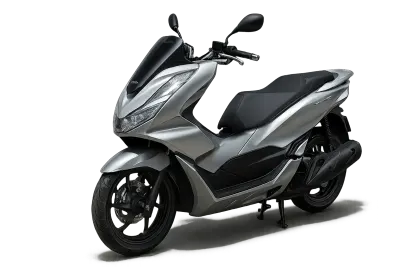
🛵 Scooter and Bike Rental
On resorts in Sri Lanka, scooter and bike rental is popular. It is a convenient way to get around for short trips to beaches, cafés and local sights.
✈ Domestic Flights
Sri Lanka has domestic flights and small airports, but most travelers get around the island by car, train or transfer.
🚆 Trains and Buses
Trains in Sri Lanka are considered one of the most scenic rides in Asia. The popular route runs through Kandy, Nuwara Eliya and Ella, past tea plantations.
Tours and Day Trips from Trincomalee
Yacht Cruise
Heart of Sri Lanka
Yala Park Jeep Safari
What to See in Sri Lanka Beyond Trincomalee?
Yala National Park
Safaris, leopards and elephants.
Nuwara Eliya
Tea plantations and a hill-country resort.
Kandy
Temple of the Tooth, UNESCO World Heritage Site.
Anuradhapura
Ancient capital
Sigiriya Botanical Garden
Tropical plants and gardens.
Polonnaruwa
Ruins, UNESCO World Heritage Site.
Nine Arch Bridge
Ella town
Ravana Falls
Natural beauty
Sigiriya — Lion Rock
UNESCO World Heritage Site
Estimated cost of a trip to Trincomalee
✈️ Flights
Return flights to Sri Lanka usually cost 400 to 900 € from Europe. In peak season (December–March), prices can rise to 1000–1200 €, especially if you book late.
🏨 Accommodation
Budget guesthouses start from 15–30 € per night, mid-range comfort costs around 40–80 €, and good hotels near the beach can cost 100–200 € and up. Uppuveli and Nilaveli have the largest choice.
🍜 Food
Local cuisine is very affordable: meals at cafés cost about 2–5 €, and dinner at tourist restaurants about 6–12 €. A day of food usually costs 10–20 € if you skip expensive seafood and alcohol.
🐠 Tours and Day Trips
Popular activities cost from 15–25 € (for example, Pigeon Island with snorkelling), while whale watching costs about 30–60 €. Visiting temples and the fort is often free.
🚖 Transport
A tuk-tuk ride costs about 1–3 € for a short trip, and bike rental costs 8–15 € per day. Trips between the beaches and town usually cost 3–10 €.
💸 Other expenses
Souvenirs, drinks, internet and small purchases usually add another 5–15 € per day. If you choose alcohol or active entertainment, your budget may go up.
What to Know About Trincomalee First
Mobile data — E-SIM
Dialog and Mobitel networks work well in Trincomalee. The easiest option is an E-SIM or a local SIM card. Mobile data is inexpensive, about 5–15 € a month.
Visa
To visit Sri Lanka, you apply for an ETA (electronic travel authorisation) online. The fee is about 50–60 € for tourists. Processing usually takes 1–2 days.
Money
The local currency is the Sri Lankan rupee (LKR). In Trincomalee, it is a good idea to carry some cash, as not every place accepts cards.
Time Difference
Trincomalee runs on UTC +5:30, so the difference from Europe is about 3.5–4.5 hours, depending on the season. Keep this in mind when booking flights and scheduling calls.
Language
The main languages are Sinhala and Tamil, but English is widely spoken in tourist areas. It is easy to communicate in hotels, cafés and with guides. Most locals understand simple English.
Population
Trincomalee has around 100–120 thousand people. The city has a calm atmosphere and a low population density. Several ethnic communities live here.
Religion
The region is mainly Hindu, Buddhist and Muslim, which is reflected in its temples and traditions. The influence of Hindu culture is especially visible through its many temples, including Koneswaram.
Visa and Entry Rules for Sri Lanka
Before you travel to Sri Lanka, check the current entry rules, length of stay, visa type and document requirements. Most tourists apply for a Visit Visa / Tourist Visa. You can check conditions and apply through the official Sri Lanka immigration services
Best Areas of Trincomalee for Visitors
Nilaveli
— a quiet resort area with a long beach and crystal-clear water, ideal for relaxing, swimming and snorkelling.
Uppuveli
— a lively beach area with hotels, cafés and water sports, where you can easily combine beach time with activities.
Trincomalee Town
The historic and cultural heart of the city, close to markets, temples and Fort Frederick. A great base for exploring local life and sights.
Pigeon Island Area
An area near Pigeon Island National Marine Park, popular with snorkelling and diving fans. It is also a convenient starting point for island tours and marine wildlife spotting.
Where to Stay in Trincomalee?
Trincomalee Weather by Month
Dry Season (April – September)
This is the best time to visit: sunny, little rain, warm water and ideal conditions for a beach holiday.
Shoulder Season (October – early November)
Weather becomes less stable: brief showers are possible, but it stays warm and there are fewer tourists.
Rainy Season (November – March)
Expect frequent heavy rain and storms, high humidity and sometimes rough seas.
Post-Season (March – April)
The weather turns sunny and mild again, rainfall decreases, water and air temperatures are comfortable, and it is a good time to prepare for the dry season.
Souvenirs: what to bring from Trincomalee?
🪔 Sri Lankan Tea
One of the most popular souvenirs is aromatic, high-quality Ceylon tea. You can buy it in beautiful gift packaging or loose. Teas from the plantations of the island's central region are especially prized. It is an ideal gift that is easy to take home.
🧿 Amulets and Charms
In Trincomalee, you will often find traditional lucky charms and protective amulets for sale. They are linked to local religious and cultural beliefs. These souvenirs are usually inexpensive but meaningful. They are often bought as a keepsake or a good-luck charm.
🪨 Lava and wooden crafts
Local artisans make beautiful souvenirs from wood and stone, including figurines of animals and masks. Handmade pieces with ethnic patterns are especially popular. They reflect the culture of Sri Lanka. Such a souvenir looks stylish and authentic.
🐚 Shell jewellery
Jewellery made from shells and coral motifs is easy to find on the coast. These include earrings, bracelets and sea-style pendants. They are affordable and easy to pack. A lovely reminder of your beach time in Trincomalee.
🧴 Ayurvedic cosmetics
Natural Ayurvedic products are popular: oils, creams and balms. They are made from herbs and spices typical of the region. Such products are considered good for skin and health. They are often sold in attractive eco-friendly packaging.
🎭 Masks and ethnic décor
Bright traditional wooden masks are one of the most recognisable Sri Lankan souvenirs. They are used in cultural rituals and dances. Each mask has its own meaning and symbolism. A striking decorative piece for your home.
Trincomalee facts
Top spot for snorkelling and diving
Nearby is Pigeon Island, a national park with coral reefs, turtles, reef sharks and colourful fish.
A unique deep-water bay
Trincomalee has one of the deepest natural harbours in the world, which is why it was a strategic port for a long time.
Home of blue whales and dolphins
Tours from Trincomalee take you to see large marine animals in the wild, a seasonal but very popular activity.
Wilpattu National Park Safari from Pasikuda and Trincomalee
Experience wild nature of Sri Lanka! Leopards, elephants, sloth bears in their natural habitat, plus a jeep ride through the savannah.
Tour "Sigiriya and Safari"
Key route locations:
- Sigiriya or Pidurangala Rock
- Traditional Village in Sigiriya
- Elephant Encounter
- Golden Temple of Dambulla
- Safari at Habarana Eco Park
- Return to Hotel
This tour gives you a whole range of experiences and starts with a morning departure from Pasikuda or Trincomalee. You will be met by an English-speaking guide. The first stop is the legendary Sigiriya, a UNESCO World Heritage Site. Choose between climbing to the top of Sigiriya, with its ancient frescoes, lion paws and panoramic views, or hiking up the rock of Pidurangala, which offers an impressive view of Sigiriya.
Next, the route takes you to a traditional village for a buffalo cart ride, a river safari, a glimpse of village life and a visit to a local family's home. You will enjoy a cooking show with secrets of Sri Lankan cuisine and a lunch made with fresh ingredients.
Next highlight is a meeting with an elephant: you can feed them and get close to these gentle giants.
After that, the group heads to Dambulla, where you will visit the Golden Temple of Dambulla, another UNESCO-listed gem. The day ends with a safari at Habarana Eco Park, where elephants live in their natural habitat, and you may also see peacocks, water buffalo and other wildlife.
Tour Price: Sigiriya and Safari
| Destination | Price per adult | ||
|---|---|---|---|
Climb to Sigiriya | Price includes transfer, entrance tickets, English-speaking guide services and lunch | 150 $ | |
Climb to Pidurangala | Price includes transfer, entrance tickets, English-speaking guide services and lunch | 115 $ |
Price includes transfer, entrance tickets, English-speaking guide services and lunch
Price includes transfer, entrance tickets, English-speaking guide services and lunch
Best Cafés and Restaurants in Trincomalee
Queen Bee Cafe
— popular café with friendly service and generous portions. The menu includes local and international dishes, including seafood, French toast and avocado toast.
467 reviews
Cafe on the 18th
— a cosy modern café serving a wide range of drinks and tropical dishes. Popular with both tourists and locals.
921 reviews
Be Cool Juice Bar & Sea Food Restaurant
— a spot for a light bite and refreshing drinks. The menu features freshly squeezed juices, fried rice, noodles, roti and curry for breakfast.
348 reviews
Trinco Blu by Cinnamon
— a hotel restaurant with a beach view, serving fresh seafood, creative cocktails and a wide range of international dishes.
3777 reviews
Sri Lanka Car Rental with Island Delivery
Take a rental car and enjoy the freedom to explore the island. You set your own pace, stopping wherever inspires you.
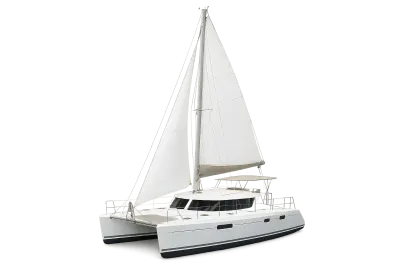
Yacht Charter in Sri Lanka
Enjoy boat trips along the south coast of Sri Lanka. Set sail to watch whales and dolphins in their natural habitat.
Found 2 yachts
Lagoon
twin-hull sailing catamaranFountaine Pajot
twin-hull sailing catamaranHelpful Tips from Travelers
Head to Nilaveli Beach for Sunset
— calm water and soft sand make this spot perfect for romantic walks and photos.
Visit the Town Market
— fresh fruit, spices and souvenirs give you a taste of local life.
Try Diving or Kayaking
— Trincomalee’s bay and coral reefs offer excellent conditions for water adventures.
Visit Fort Frederick
— beyond its historical value, you can spot deer here and enjoy views over the city and the ocean.
Try the Local Food
— fresh seafood, Sri Lankan curries and tropical fruit juices at beachside cafés make your holiday more vibrant.
Guest reviews of holidays in Trincomalee
Overall Rating
3 reviews
Eseniya
01.07.2025
We spent almost a month travelling around Sri Lanka, and Trincomalee turned out to be the most “seaside” place of all. Uppuveli and Nilaveli beaches are long and soft, with turquoise water that barely forms waves. In season the sea is like glass: you step in and feel as if you are in a huge pool. There are fewer people than in the south, which is a big plus. Evenings are quiet, but the atmosphere is relaxed and very pleasant.
Anna
17.03.2025
We came to Trincomalee specifically for snorkelling, and we were not disappointed. Pigeon Island is a real underwater park: corals, turtles, shoals of bright fish, and we even saw small reef sharks, which are completely harmless. The visibility in the water is excellent, especially in the morning. Trincomalee itself is calm and affordable: the cafés are simple, but the food is tasty and the portions are big. We really enjoyed the mix of nature and peaceful relaxation.
Nastya
05.09.2025
Trincomalee is the total opposite of the southern resorts. No rush, no traffic jams, no crowds. Just long empty beaches, palm trees and a calm, warm sea. We took a boat early in the morning and saw dolphins, which was an incredible experience. On the downside, there is not much to do in the evening apart from dinner at the hotel or a walk along the shore. But if your goal is to recharge, enjoy the sea and find quiet, Trincomalee is perfect.
Interesting facts and more about Trincomalee
Trincomalee is more than a scenic coastal town in eastern Sri Lanka. It is also a place where ancient history, cultural diversity and modern events come together.
Cultural Life and Film Festivals
Trincomalee hosts a range of cultural events, including film festivals that screen Indian and local movies. Youth media clubs and creative studios give students and aspiring directors a platform to make short films, photos and other media content.
History and Military Heritage
The town has a rich military past. During the Second World War, the British fleet used Trincomalee harbour as its main naval base in eastern Sri Lanka. Earlier, naval battles took place here, such as the Battle of Trincomalee in the XVIII century between the British and French fleets, which shows the strategic importance of the town.
Natural Wonders
Trincomalee is known for its nature. The waters around the town are home to sperm whales, dolphins and a variety of coral fish, which makes it a popular spot for snorkelling and diving. The Kanniya Hot Springs are also here: seven shallow wells of warm water, sacred to Buddhists, Hindus and Muslims alike, and surrounded by legends and myths.
Festivals and Cultural Events
The town is a centre of religious and cultural festivals. One of the most colourful is the festival at Koneswaram Temple, which draws thousands of pilgrims and visitors. There are processions, rituals and celebrations that reflect ancient traditions. Food festivals, cooking classes and tasting sessions also take place, introducing visitors to the rich cuisine of the eastern coast.
Trincomalee is a town where history, culture and nature come together in a unique way, offering every visitor an unforgettable experience.
Real photos from our guests in Trincomalee, Sri Lanka
More Big Travel services in Sri Lanka


Frequently asked questions about Trincomalee
How safe is it to travel to Trincomalee, especially if you go on your own without a tour and plan to visit beaches, temples and remote parts of the region?
Trincomalee is considered one of the calmest and safest destinations on the east coast of Sri Lanka, especially in the tourist areas of Uppuveli, Nilaveli and the town centre. The crime rate is fairly low, and local people are mostly very friendly and welcoming to visitors. The main risks are not about safety as such, but everyday matters: keep an eye on your belongings on the beach, take care when renting transport , and follow the traffic rules.
When travelling independently, it is important to use trusted tuk-tuks or taxis and agree on the price in advance to avoid misunderstandings. In tourist areas, police and tourist infrastructure are present, so help is easy to get if needed. Overall, the region is ideal for independent travel, even for those visiting Asia for the first time.
What is the best way to get to Trincomalee from Colombo or the airport, and which transport should you choose to make the trip as comfortable and effortless as possible?
The most popular way to get to Trincomalee is by train or bus from Colombo. The journey takes about 6–8 hours, depending on the route and stops. The train is considered a more comfortable and scenic option, as it passes through green hills, villages and rural areas, giving you a glimpse of everyday life on the island. Buses are cheaper, but can be more tiring because of frequent stops and less comfortable conditions.
You can also take a private transfer or a taxi, which is especially convenient for families or travellers with luggage. It is faster and more comfortable, but much more expensive. Some travellers combine routes, for example a train plus a tuk-tuk, to save time and vary the trip. It is important to consider the season and book tickets in advance during peak periods to avoid crowded carriages and long waits.
What is the best time of year to visit Trincomalee to avoid rain and enjoy the beach, snorkelling and tours in comfortable conditions?
The best time for a beach holiday in Trincomalee is roughly from April to September, when the dry season settles on the east coast and the sea calms down. The water is clear, waves are minimal, and the weather suits beach time, snorkelling and sea trips. Boat tours to Pigeon Island are especially popular in this period.
From October to January, expect rain and stronger winds, which can affect swimming and water activities. Even then, the temperature stays warm, and there are fewer tourists, which suits those who prefer quiet. Planning your trip around the season helps you get the most comfortable experience and avoid weather surprises.
Which beaches in Trincomalee are the most beautiful and best for swimming, relaxing with children and spending quiet time by the ocean?
The most popular and comfortable beaches are Uppuveli and Nilaveli. They have long sandy shores, gentle entry into the water and a calm ocean. In season there are almost no strong waves, which makes them ideal for family holidays and swimming. The beaches are wide, so even in peak season they never feel crowded.
Nilaveli is especially loved for its crystal-clear water and its closeness to Pigeon Island, where you can go snorkelling and see the coral reefs. Uppuveli has more infrastructure, with more cafés, hotels and tourist services. Both beaches are great for a relaxed stay by the ocean, with beautiful sunsets and a calm atmosphere.
How developed is the infrastructure in Trincomalee, and can you expect comfortable hotels, cafés, internet and facilities at a European level?
Infrastructure in Trincomalee is gradually developing, but it still has a calmer, more tropical feel than the southern resorts of Sri Lanka. You will find comfortable hotels, beach resorts and guesthouses for every budget, especially in Uppuveli and Nilaveli. Restaurants are mostly simple, but offer good local food and fresh seafood.
Internet works fairly reliably, especially with Dialog and Mobitel, which have good coverage. Speed and service levels can differ from European standards, so it is worth keeping local conditions in mind. Overall, the conditions are comfortable but not luxurious. The focus is on nature and relaxed holidays.
Which main sights in Trincomalee should you not miss if you have only 2–3 days to explore the region?
If your time is short, be sure to visit Koneswaram Temple, which sits on a cliff with a panoramic ocean view and is one of the region's most important shrines. Fort Frederick is another key stop, where you can see traces of colonial history and walk among old fortifications. These sights give a good picture of Trincomalee's cultural heritage.
For nature, Pigeon Island with its coral reefs and snorkelling is a must. You can also visit the Kanniya Hot Springs and the Lover’s Leap viewpoint, which offers beautiful views of the coast. Even in a short time, you can have a very varied experience, from nature to history and spiritual culture.
Can you watch whales and dolphins in Trincomalee, which months are best for it, and how often do these tours actually succeed for guests?
Yes, Trincomalee is one of the places on the east coast where sea tours are run to watch whales and dolphins. The best season usually falls between May and October, when the ocean is calmer and marine animals often come closer to shore. Morning boat tours are offered, and they are considered the most effective option.
Your chance of seeing whales depends on the weather and natural conditions, but in high season it is fairly good. Dolphins are seen much more often, sometimes in whole pods, which makes the tour especially spectacular. It is one of the most memorable experiences in the region and often becomes the highlight of a trip.
How much money do you need for a week in Trincomalee, including accommodation, food, tours and transport, without being overly frugal or aiming for luxury?
The average budget for a week in Trincomalee is about from 400 to 900 € per person at a comfortable, not luxury, level. Most of the cost goes on flights and accommodation, especially if you choose beachfront hotels or good resorts. Food in local cafés is quite affordable, so daily meal costs usually stay moderate.
Tours and transport add a further part of the budget, but they remain relatively inexpensive compared with Europe. For example, trips to Pigeon Island or sea tours cost much less than similar activities in other countries. Overall, Trincomalee remains an affordable destination for a beach holiday with good value for money.
Are there internet and connection problems in Trincomalee, and how easy is it for a traveller to stay connected with an E-SIM or a local operator?
There are no serious connection problems in Trincomalee, especially in the tourist areas where the main mobile operators work. The most stable coverage comes from Dialog and Mobitel, which are good for internet, calls and navigation. An E-SIM is also convenient if it is set up in advance and supports local networks.
Hotels and cafés often have Wi-Fi available, but its speed can be unstable, so mobile internet is the more reliable choice. Signal may weaken a little in coastal and remote places, but this is not a problem for most travel needs. Overall, staying connected in the region is quite simple and convenient.
What cultural customs and rules of conduct should you keep in mind in Trincomalee to respect local traditions and feel comfortable around local people?
Trincomalee is a region with strong religious and cultural traditions, so it is important to show respect for local customs. When visiting temples, cover your shoulders and knees, take off your shoes and keep your voice calm. This is especially true at places like Koneswaram Temple, where the religious atmosphere is very strong.
In everyday life, avoid revealing clothing in town and in public places, as the region is more conservative. Local people are usually very friendly and appreciate respectful behaviour and politeness. Following a few simple rules makes your trip more comfortable and helps you understand the culture of Sri Lanka better.
Read also: Sri Lanka
Two-Day Hot Air Balloon Tour in Sri Lanka
Two-day hot air balloon tour: Sigiriya or Pidurangala, the Golden Temple of Dambulla…
Two-Day Sri Lanka Tour: Ella, Sigiriya and Elephants at Pinnawala
Two-day tour of Sri Lanka: Ella, Little Adam's Peak, Nine Arches Bridge, Sigiriya…
Two-Day Tour “Heart of Sri Lanka”
Two-day Heart of Sri Lanka tour: Ella, scenic train ride, tea plantations, ancient…
Unawatuna Holidays: Prices, Best Beaches, Things to See, Where to Go, Guest Reviews and Travel Chat
Unawatuna holidays: warm ocean, palm trees and calm beaches in southern Sri Lanka…
Veligama Beach
Weligama Beach in Sri Lanka: a long sandy, rock-free beach for swimming, walks…
Weligama Holidays, Sri Lanka: How to Get There, Beaches, Hotels, Food, Relaxation and Traveler Chat
Weligama holidays in 2026: beaches and surfing on Sri Lanka's south coast, fares, things…
What to Bring Back from Sri Lanka: Best Souvenirs, Food, Fragrances and Gifts
What to buy in Sri Lanka: tea, spices, food, souvenirs and gifts. What to choose and what…
What to Pack for Sri Lanka? A Complete Travel Guide
What to pack for Sri Lanka: clothing, footwear, medicine, documents and electronics…